Iran War's Economic Ripples: Rates, Jobs, and the Strait of Hormuz
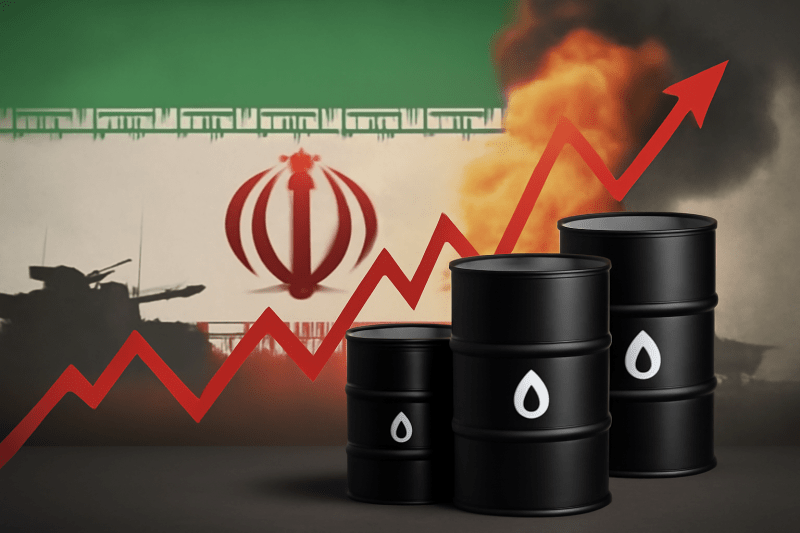
The escalating tensions surrounding the Iran war and the critical Strait of Hormuz are sending significant shockwaves through the global economy, impacting everything from US crude prices to central bank policies like the BOJ's stance on rates.
Macroeconomic Background
The current geopolitical climate, marked by increased military activity and heightened rhetoric involving Iran, presents a complex macroeconomic backdrop. The potential for conflict or further escalation in the region directly threatens global energy supply chains, particularly through the Strait of Hormuz, a vital chokepoint for oil transit. Reports indicate Iran is allowing essential goods vessels through, but US intelligence warns of a persistent chokehold. This uncertainty fuels volatility in energy markets, a foundational element of the global economy. The economic structure of many nations remains heavily reliant on stable oil prices, making any disruption a significant concern for inflation and growth prospects. Furthermore, the fiscal implications are becoming apparent, with countries like Senegal banning government travel due to the impact of an "Iran war oil shock" on public finances, highlighting the immediate budgetary pressures arising from geopolitical instability.
Key economic indicators are already showing signs of strain. While the US labor market recently posted its largest jobs gain in 15 months, the underlying narrative suggests potential headwinds from the Iran war. Rising energy costs, a direct consequence of geopolitical risk, can lead to inflationary pressures, eroding purchasing power and potentially forcing central banks to recalibrate their monetary policy. The Bank of Japan (BOJ), for instance, is urged by the IMF to continue raising rates even as the Iran war poses new risks, indicating a delicate balancing act between managing domestic inflation and external geopolitical shocks. Exchange rates are also susceptible to shifts in risk appetite, with safe-haven currencies potentially strengthening as global uncertainty grows. The trade balance of oil-importing nations could worsen significantly if crude prices surge, impacting their current account deficits and overall economic stability.
Market Implications & Outlook
The implications for global markets are multifaceted. An Iran war oil shock could trigger a significant increase in crude prices, impacting transportation costs, manufacturing, and consumer spending worldwide. This inflationary pressure could force a more aggressive monetary tightening cycle from central banks, potentially slowing economic growth. Trade flows are also at risk, with the Strait of Hormuz being a critical artery for global commerce. Any disruption there would not only affect oil shipments but also broader maritime trade, leading to increased shipping costs and potential supply chain bottlenecks. The financial conditions for businesses could tighten as interest rates rise and the cost of capital increases, potentially dampening investment. The recent news of India making its first Iranian oil buy in seven years with no payment problems suggests some countries are seeking alternative trade routes or payment mechanisms to navigate sanctions and geopolitical tensions, but this remains a complex and evolving landscape.
Key risks to monitor include the potential for further escalation of the conflict, which could lead to a more severe and prolonged oil price shock. The resilience of the US labor market against these external pressures will be crucial to observe. Additionally, the response of major central banks, particularly the Federal Reserve and the BOJ, to any inflationary surges will shape the global financial outlook. The effectiveness of diplomatic efforts, such as Iran leaving the door open for peace talks, will be a critical factor in de-escalating tensions. Investors and policymakers will be closely watching developments in the Strait of Hormuz, any further military incidents, and the broader geopolitical discourse to gauge the trajectory of the global economy.
#Iran_war #Strait_of_Hormuz #US_crude #Iran_war_oil_shock #US_labor_market #BOJ_to_keep_raising_rates #US_crude_oil #oil_shock #BOJ_interest_rates #global_economy #geopolitical_risk #inflation #exchange_rates #trade
This column is an independent analysis based on publicly available market data and financial research. It does not constitute investment advice, and all investment decisions are the sole responsibility of the investor.

