Iran Conflict Fuels Global Economic Headwinds
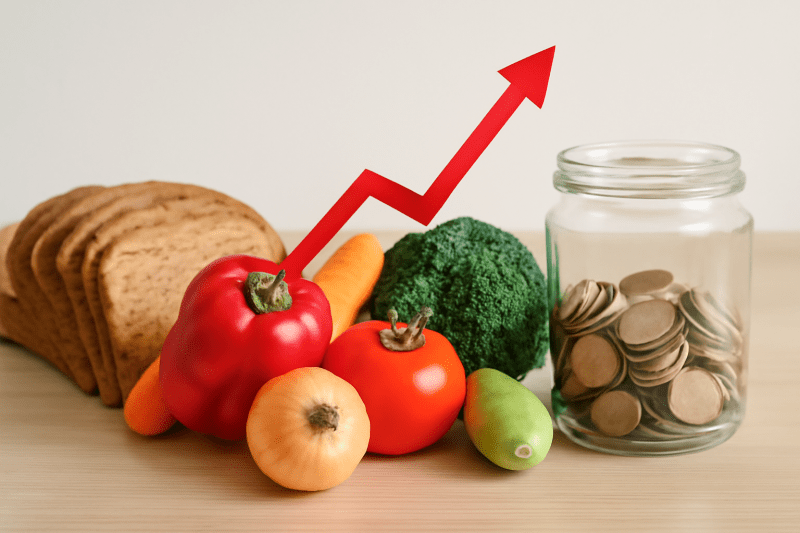
The escalating tensions surrounding the Iran war are casting a long shadow over the global economy, with immediate implications for food prices, fuel prices, and broader financial markets.
Macroeconomic Background
The recent drone strikes in Iran and Kuwait, coupled with threats to critical infrastructure and the Strait of Hormuz, signal a significant escalation in geopolitical risk. Historically, conflicts in the Middle East, particularly those involving major oil-producing nations or vital shipping lanes like the Strait of Hormuz, have had a profound impact on global energy markets. The FAO's warning about continued food price rises underscores the interconnectedness of energy and food security; higher fuel costs translate directly into increased transportation and production expenses for agricultural goods. This situation exacerbates existing inflationary pressures that many economies are still grappling with post-pandemic. The fragility of the global supply chain, already tested by recent events, is further exposed, highlighting structural vulnerabilities in international trade and logistics. The potential for wider regional conflict or prolonged disruption to oil and gas supplies creates a highly uncertain macroeconomic environment.
Key economic indicators are already showing signs of strain. Soaring fuel prices, as evidenced by the 20% increase in private jet costs and Pakistan's sharp fuel price hikes, are a direct consequence of supply concerns and risk premiums in oil markets. This surge in energy costs fuels broader inflation, impacting consumer spending and business investment. Central banks face a complex dilemma: the need to combat inflation through higher interest rates could stifle economic growth, while maintaining accommodative policies risks further price instability. Exchange rates are also likely to be affected, with currencies of import-dependent nations facing depreciation pressure due to higher import bills. The Bank of Japan's cautious stance, keeping the door open for rate hikes despite firms being squeezed by the Iran war, illustrates the delicate balancing act policymakers are undertaking globally. The threat to trade routes, even with container ships like CMA CGM's passing through the Strait of Hormuz, introduces volatility and increased shipping costs.
Market Implications & Outlook
The macroeconomic implications for global markets are substantial. Increased geopolitical risk premiums are driving up commodity prices, particularly oil, which is trading at a record premium for near-term delivery. This directly impacts inflation expectations and can lead to a reassessment of asset valuations. Financial conditions may tighten as investors demand higher returns for increased risk, potentially affecting equity markets and bond yields. The 'no-hire' US economy, as described in some analyses, could face further headwinds if consumer confidence erodes due to rising costs. Trade flows are under pressure, with countries like Bangladesh cutting working hours to save energy, demonstrating the real-world impact on economic activity. The uncertainty surrounding the conflict's duration and intensity makes it difficult for businesses to plan, potentially delaying investment and hiring decisions. The potential for retaliatory measures, including threats to infrastructure, adds another layer of complexity to the global economic outlook.
Key risks going forward include a broader regional conflict, sustained disruption to oil supplies, and a prolonged period of high inflation. Investors and policymakers will be closely watching developments in the Strait of Hormuz, the rhetoric from involved nations, and the effectiveness of international diplomatic efforts. Economic reports, such as inflation data and employment figures, will be scrutinized for signs of how these geopolitical events are translating into tangible economic outcomes. The resilience of global supply chains and the ability of central banks to navigate the dual challenge of inflation and growth will be critical determinants of the economic trajectory in the coming months.
#Iran_war #Strait_of_Hormuz #Drone_hits #food_price_rise #fuel_prices_soaring #food_prices #fuel_prices #inflation #global_economy #interest_rates #trade #geopolitical_risk #macroeconomic_analysis
This column is an independent analysis based on publicly available market data and financial research. It does not constitute investment advice, and all investment decisions are the sole responsibility of the investor.

