Geopolitical Tensions Spark Market Volatility
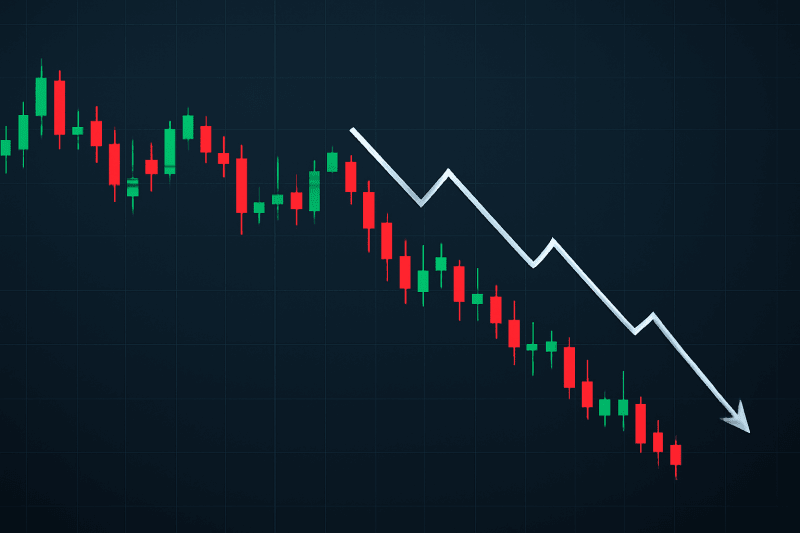
Geopolitical tensions are escalating, creating significant market volatility. The latest news surrounding Iran, a missing US pilot, and potential Israeli strikes on energy sites demands close investor attention.
Market Background & Core Analysis
The current market environment is characterized by heightened uncertainty, directly attributable to the escalating situation involving Iran. Reports of a missing US pilot, coupled with Israel's preparations for potential attacks on Iranian energy infrastructure, are creating significant headwinds for global markets. This geopolitical instability directly impacts commodity prices, particularly crude oil, which has seen upward price pressure. Technical indicators across major indices such as the S&P 500 (SPX), NASDAQ Composite (IXIC), and Dow Jones Industrial Average (DJIA) are exhibiting increased choppiness, with increased trading volumes on down days. Support levels are being tested, and the potential for further downside remains elevated as long as these geopolitical tensions persist. The VIX index, a key measure of market volatility, is likely to remain elevated or trend higher, signaling investor caution and a preference for defensive assets.
From a macroeconomic perspective, the implications are substantial. A conflict or significant escalation in the Middle East could lead to supply chain disruptions and a sharp increase in energy costs, fueling inflation. This presents a complex scenario for central banks, such as the Federal Reserve and the European Central Bank, who are already grappling with inflation concerns. The IMF's recent urging for the Bank of Japan to continue raising rates, even amidst these new risks, highlights the delicate balancing act policymakers face. Sector-wise, energy stocks are naturally in focus, but companies reliant on stable global trade routes and those with significant international operations may face headwinds. Conversely, defense contractors could see increased interest.
Investment Implications & Risks
The immediate signal from these developments is a clear increase in systemic risk. Investors are likely to reassess their portfolio allocations, potentially shifting away from riskier assets towards safer havens like gold or government bonds. The earnings season, while ongoing, may see companies providing cautious outlooks due to the unpredictable geopolitical landscape. Any disruption to the Strait of Hormuz, a critical chokepoint for oil transport, would have immediate and severe consequences for global energy markets and, by extension, the broader economy. The news of India making its first Iranian oil purchase in seven years without payment issues, while seemingly positive for bilateral trade, also underscores the complex global energy dynamics at play. The potential for retaliatory actions by Iran, as suggested by reports of a new air defense system targeting a US fighter jet, adds another layer of complexity and risk.
Key risk factors include a full-blown regional conflict, significant disruptions to oil supply, and a sustained increase in inflation that forces aggressive monetary policy tightening. The market's reaction will be highly sensitive to any further escalation or de-escalation in rhetoric and actions. Investors should monitor news flow closely, particularly regarding diplomatic efforts and any concrete military engagements. The impact on corporate earnings will be a critical factor to watch as companies report their quarterly results, with management commentary on geopolitical risks providing crucial insights into future performance. The interconnectedness of global markets means that events in the Middle East can have far-reaching implications across various asset classes and geographies.
#Iran_war #US_pilot_missing #Israel_attacks_Iranian_energy_sites #market_volatility #stocks #earnings #Israel_attacks #crude_oil_prices #geopolitical_risk #energy_sector #S&P_500 #NASDAQ #Dow_Jones
This column is an independent analysis based on publicly available market data and financial research. It does not constitute investment advice, and all investment decisions are the sole responsibility of the investor.

