US-Iran Conflict: Day 29 and the Specter of a Global Economic Crisis
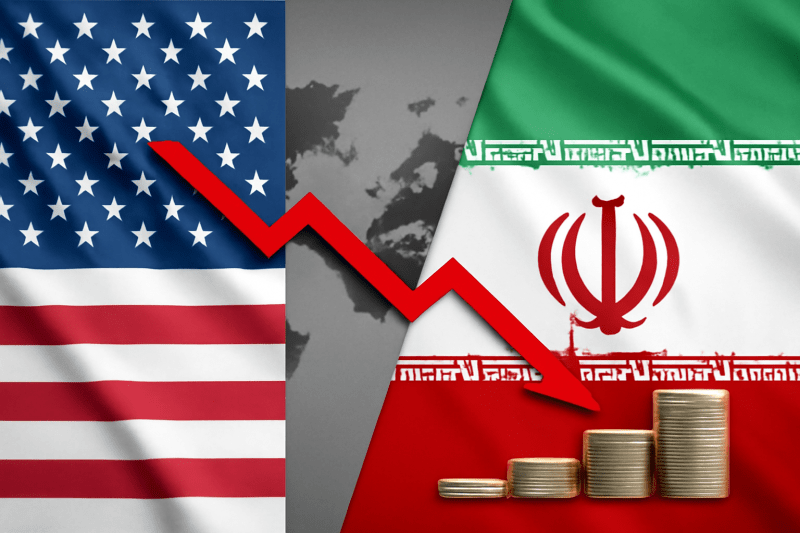
Navigating the Storm: Day 29 of the Unending US-Iran Conflict and the Worst-Case Scenario
Amidst a geopolitical climate resembling the calm before a storm, the military clash between Iran and the United States, now in its 29th day, signals global repercussions far beyond a localized conflict. This isn't merely about armed confrontation; it raises fundamental questions about our economic lives and future survival strategies.
Reality Check: The Abyss of Conflict and Economic Catastrophe
The Deepening Shadow of War
Like an unyielding gear, the military tension between Iran and the United States has shown no signs of easing for 29 days. Some are holding their breath, watching the possibility of a "worst-case scenario" materialize. This situation is not just a distant story from foreign news reports. As investors, we are confronted with the urgent question of how to respond during such turbulent times. Much like the investment adage, "don't catch a falling knife," the current market is lost in a fog of unpredictability. The leisurely vacation photos of famous investors, in this uncertainty, only amplify feelings of relative deprivation and risk aversion. This demands reflection not just on the decline of asset values, but on how we understand the world and plan for the future.
The Escalation Potential and the Energy Market's Fuse
With the possibility of U.S. ground troop deployment being raised, and news of Iran's counterattacks and the Houthi rebels' involvement, the scenario of war escalation is becoming more concrete. In particular, the potential blockade of the Strait of Hormuz, a critical artery for global energy transport, holds the potential to send international oil prices soaring. If the Houthi rebels were to also block key passages in the Red Sea, this could inflict a fatal blow not just to the energy supply chain, but to the entire global economic system. Some analysts are making extreme predictions of oil prices reaching $200 per barrel, which could deliver an irrecoverable shock to the global economy. This crisis is reminiscent of the 1970s oil shocks, once again highlighting the importance of energy security and supply chain diversification. Through past experiences, we have learned how significantly such geopolitical crises, extending beyond the immediate region, can impact the global economy.
The Duet of Negotiation Prospects and Brinkmanship
However, not all possibilities lead to catastrophe. Some suggest that the current military tension might be a form of "brinkmanship" aimed at negotiation. This analysis posits that countries are escalating military threats to strengthen their negotiating positions ahead of talks in Pakistan. Realistic constraints on continuing the war, such as immense military costs and production capacity limitations, lend weight to this negotiation theory. Yet, past precedents show that geopolitical conflicts can always escalate rapidly due to unpredictable variables. Misjudgments or miscalculations at a "critical moment" can lead to irreversible consequences, clearly demonstrating why history repeats itself. It is also noteworthy that the language of warfare is changing. While precision strike technology once determined victory or defeat, now, factory production capacity, raw material supply chains, and the overall capability to sustain a war are becoming more crucial. This suggests that modern warfare may take on a fundamentally different character than in the past.
Economic Language of a New Era: Sustainable Survival Strategies
Ultimately, the question we face is: "How do we survive?" If the war escalates, significant economic damage and a restructuring of the entire social system will be unavoidable. So, how should we navigate this era of uncertainty? A report from the United Kingdom points to the economic inefficiency of prolonged warfare. The act of intercepting multi-million dollar missiles with low-cost drones from Iran is akin to delivering pizza with a Ferrari – economically unsustainable. This signifies that modern warfare has transformed from a mere contest of military victory or defeat into a battle for economic survival. This reality underscores the need for re-evaluating asset allocation, strengthening risk management systems, and adopting investment strategies with a long-term perspective. Just as we rely on a compass and map for a perilous voyage, we must design our future based on economic principles and historical lessons. Furthermore, these geopolitical crises reaffirm the importance of international cooperation and diplomatic efforts. Without a fundamental resolution to the conflict, sustained peace and economic stability cannot be expected. To avoid repeating past mistakes, we must continuously learn, adapt, and pose questions towards a better future.
This post is based on content from the YouTube channel 이효석아카데미.
Watch the original video: https://youtu.be/LRm_Clo8tp4?si=viVTLYhHZycf4p_A
Note: This content is a column written with AI analysis based on the referenced video. For accurate context and the creators intent, we recommend watching the video via the link above.

